
Ethos Design System
Overview
Ethos Design System is GE HealthCare’s enterprise design system, created to bring consistency, accessibility, and scalability to a portfolio of more than 100 healthcare applications, devices, and software services. Today, Ethos serves as a shared foundation across GE HealthCare’s digital ecosystem, helping teams build consistent, accessible experiences faster and with greater confidence.
My role
As UX Design Lead, I helped shape the evolution of the Ethos Design System by defining visual design direction, leading design token strategy, refining interaction patterns, establishing documentation standards, and supporting accessibility and implementation across products.
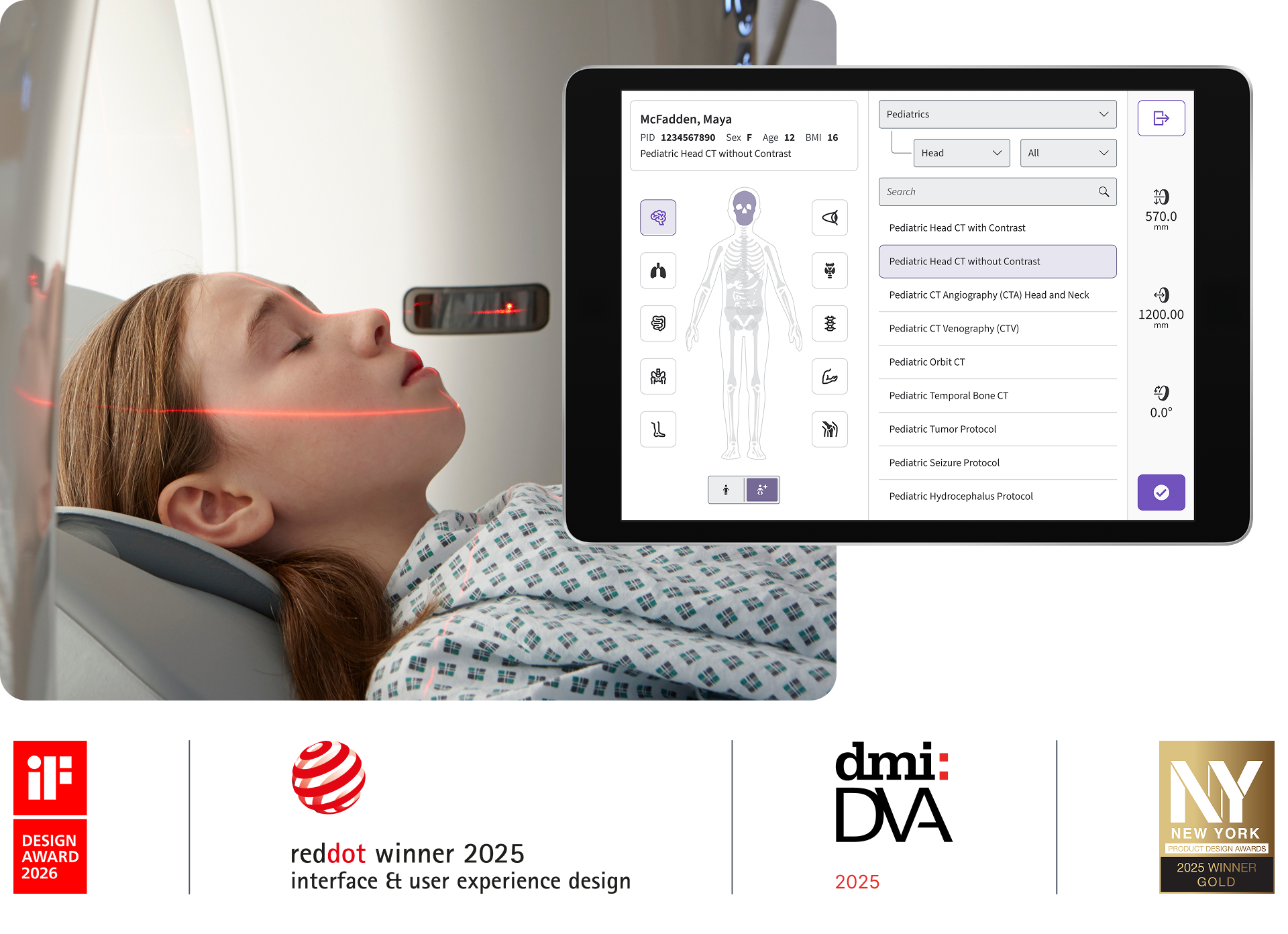
The challenge
GE HealthCare’s software ecosystem spans hundreds of products, devices, and services supporting clinicians across a wide range of medical environments. As teams grew and products evolved independently, common interface patterns were often being solved multiple times. This resulted in inconsistent user experiences, duplicated design and development effort, accessibility gaps, and longer delivery timelines. In healthcare environments where every second counts, teams needed a more scalable approach that reduced friction while maintaining consistency across products, devices, and workflows.
Problem statement
Product teams needed a shared foundation of reusable components, standards, and guidance that could support accessibility, localization, and consistent experiences at scale while reducing the need to repeatedly solve the same interface challenges.
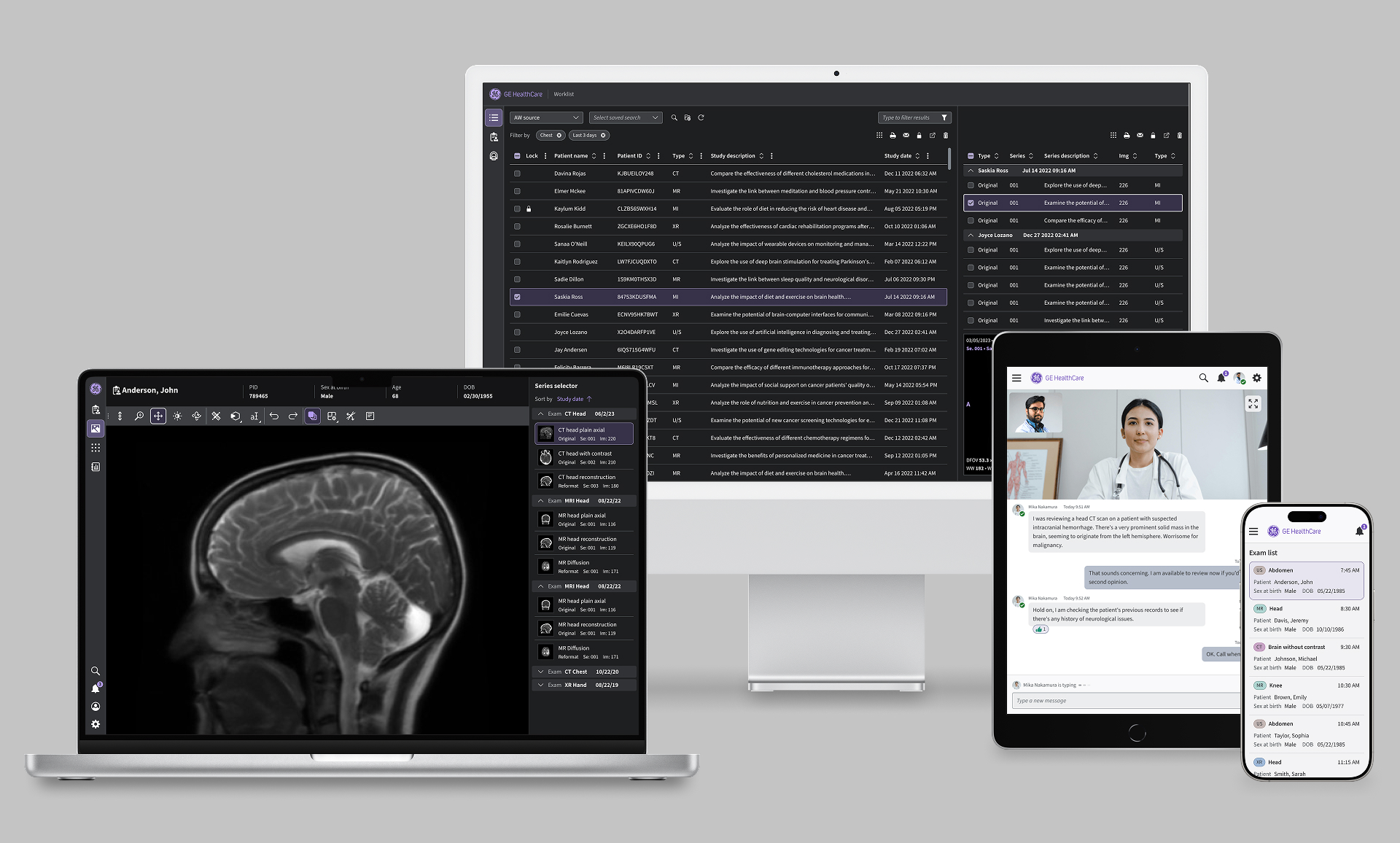
Designing for healthcare
Unlike consumer applications, healthcare software must support users in environments where cognitive load is high and decisions can directly impact patient outcomes. Accessibility, localization, multi-device support, and clinical workflows were treated as foundational requirements rather than optional considerations. Every component, interaction pattern, and documentation standard was designed to support these needs.
By embedding these requirements directly into the system, teams could focus more time on solving clinical problems and less time recreating foundational patterns, improving consistency and delivering healthcare experiences with greater confidence.
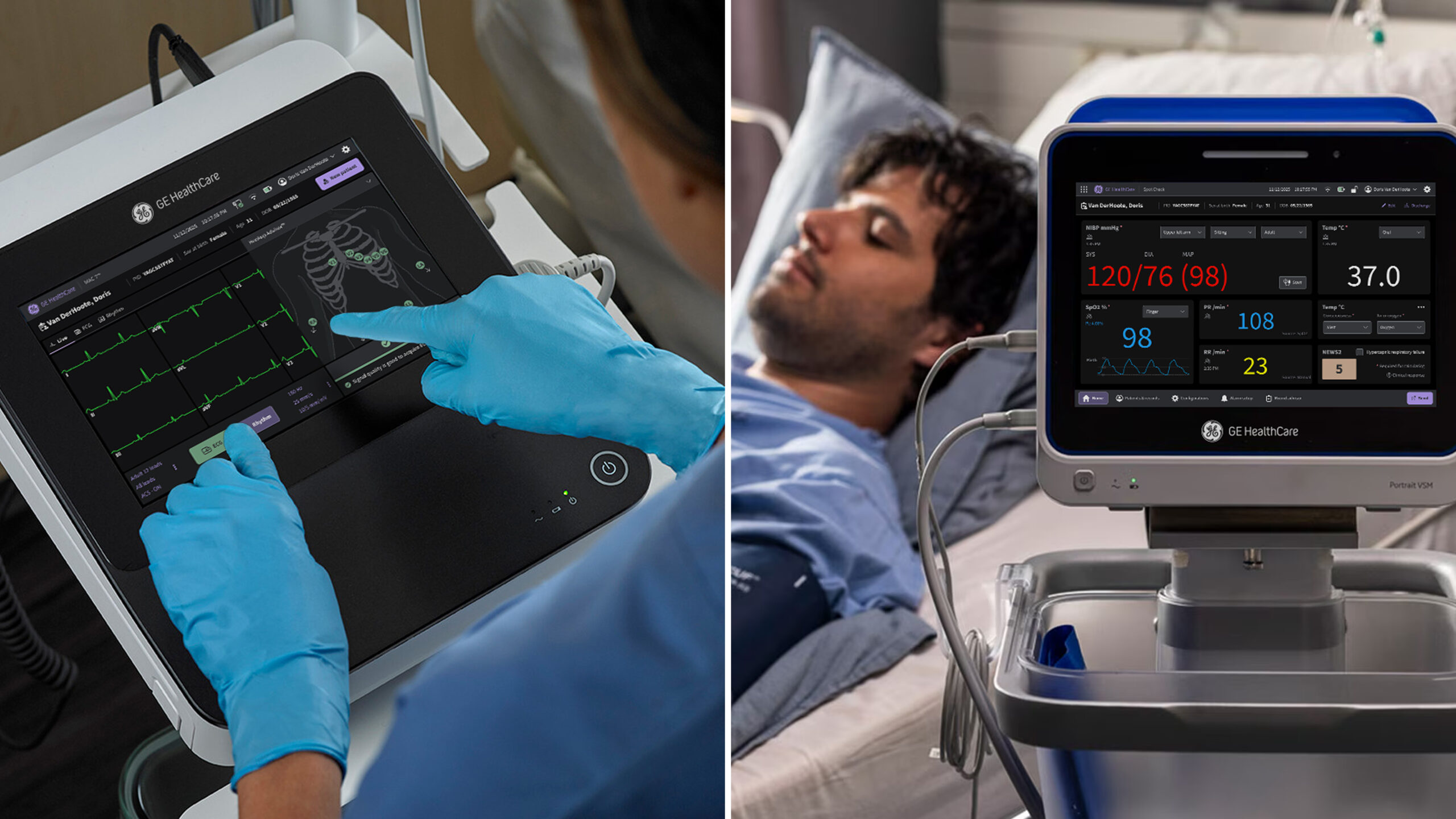
Defining the system foundation
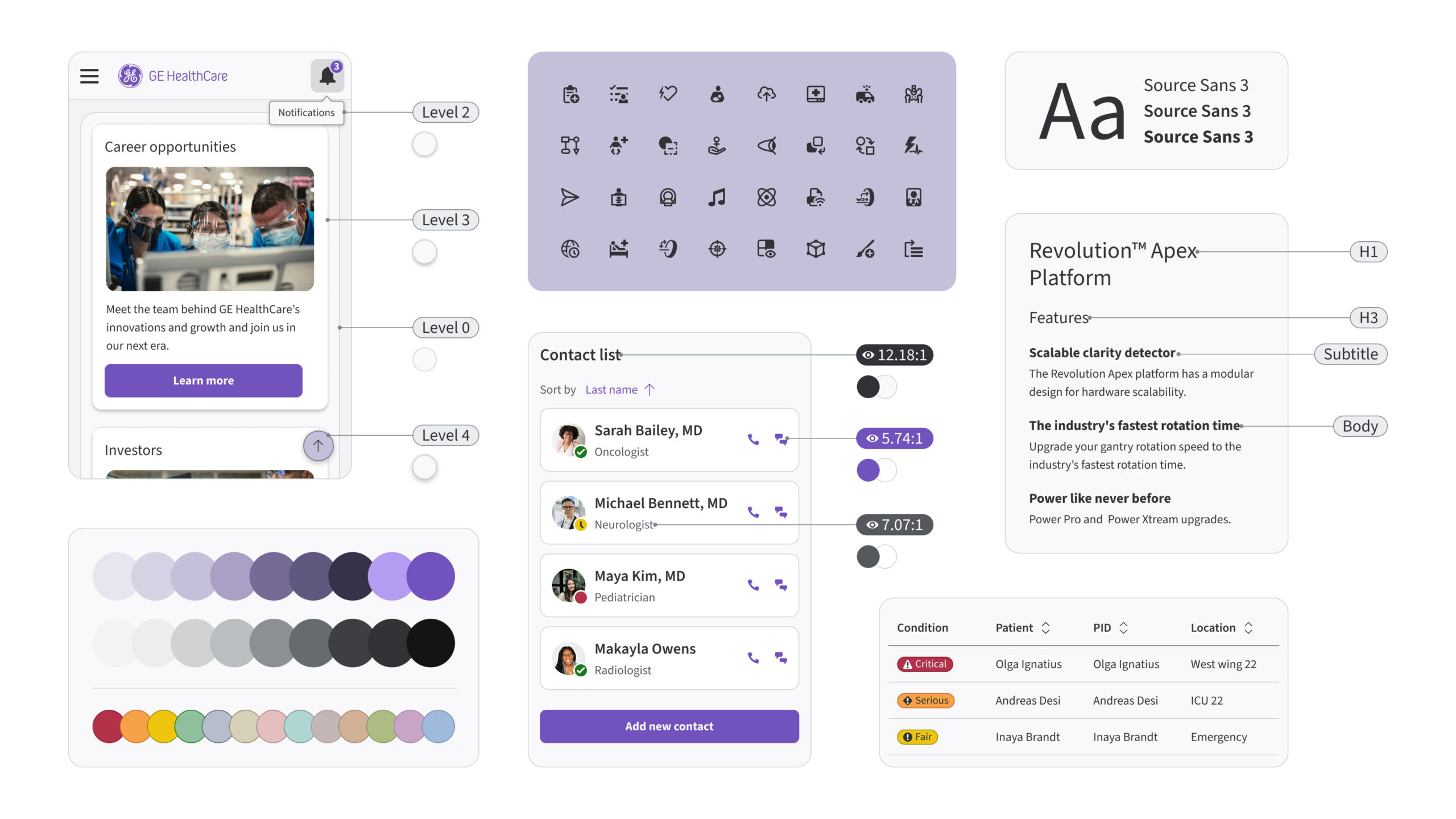
Design tokens
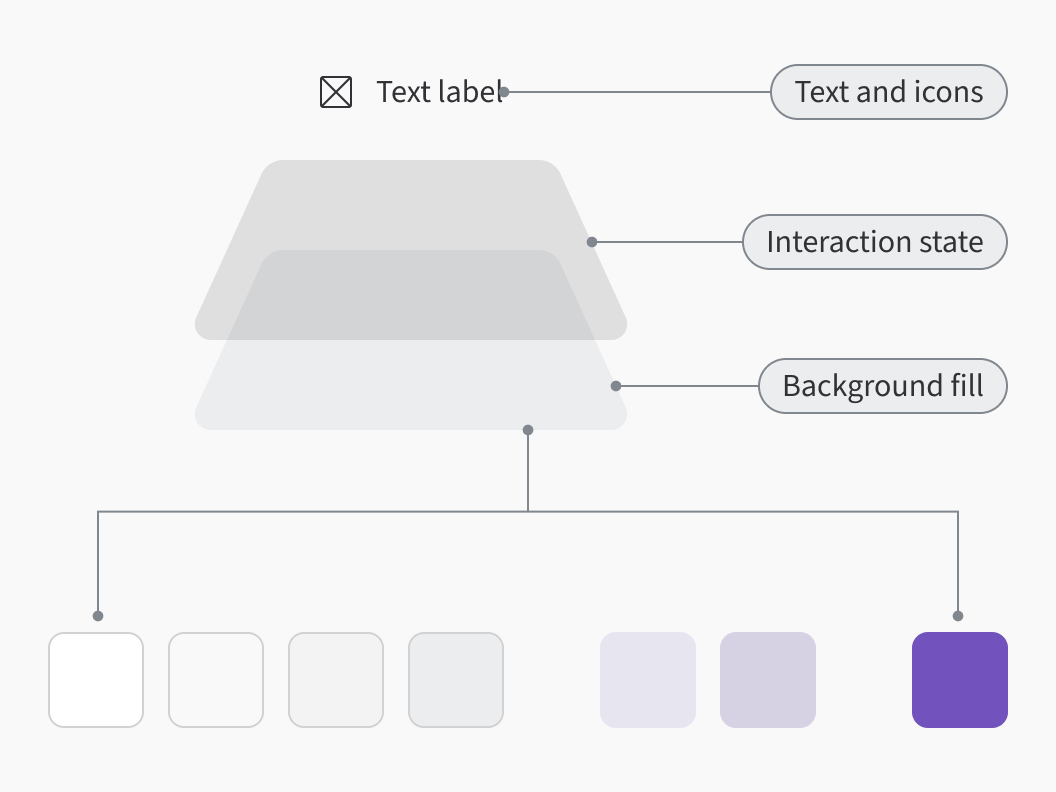
One of my primary areas of focus was creating the design token strategy that connects design and code. The token architecture established a shared foundation for color, typography, elevation, and interaction patterns while making it easier for teams to implement themes, maintain consistency, and scale future enhancements.
By creating a common language between designers and developers, tokens helped reduce ambiguity and improve implementation quality across products. This alignment enabled teams to move faster while ensuring design decisions translated consistently into production experiences.
Interaction states
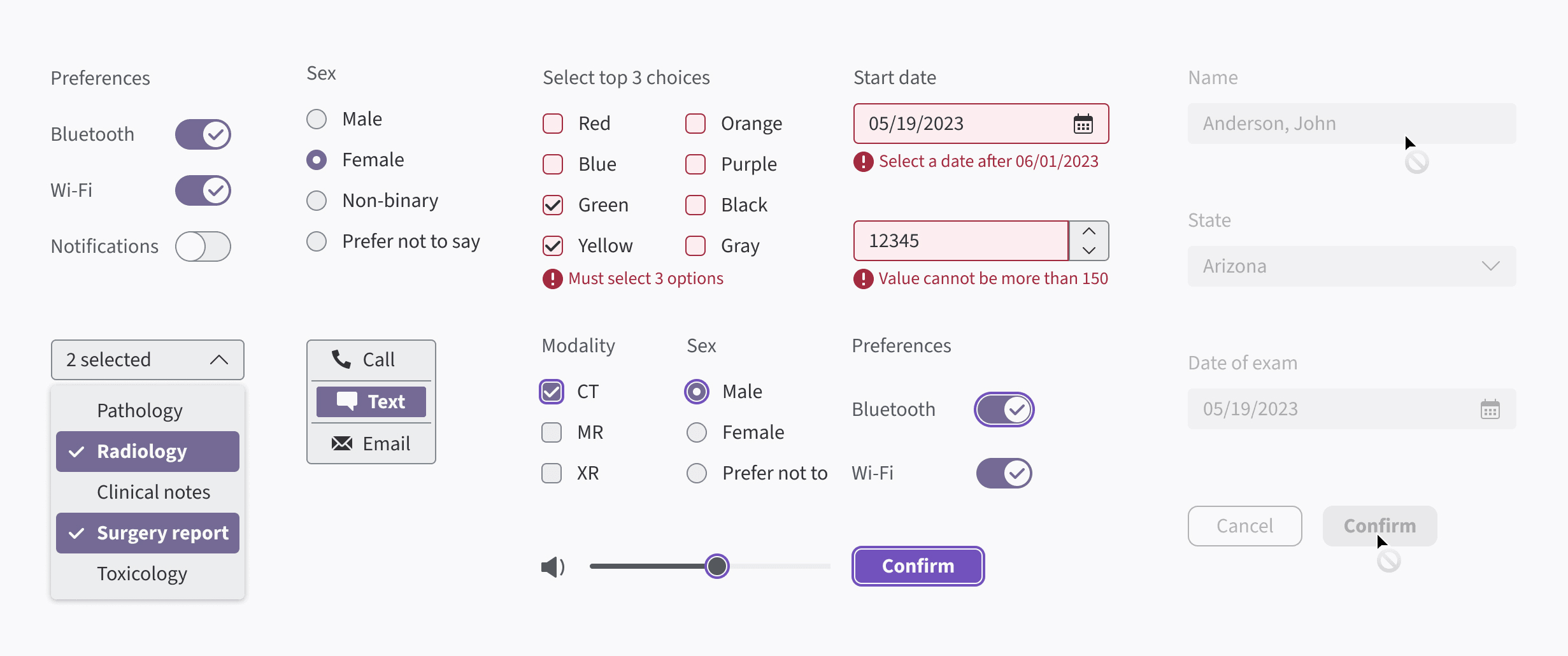
I helped refine interaction patterns across components to improve usability, accessibility, and consistency. The goal was to create interactions that felt predictable for users while providing clear implementation guidance for product teams. This work included standardizing and simplifying hover, focus, selected, disabled, and error states across components to improve consistency and reduce implementation complexity.
Documentation that drives adoption
A design system only succeeds when teams can easily understand and use it. I created the documentation framework, website templates, and content standards that support the Ethos Design System, providing teams with clear guidance on component usage, accessibility requirements, and best practices. Training resources and onboarding materials helped designers and developers self-serve, accelerate adoption, and use the system more consistently.
Results
Ethos has become the design foundation for software experiences across GE HealthCare, helping teams create more consistent, accessible, and scalable healthcare applications. By providing reusable components, shared standards, and a common language between design and engineering, the system has reduced duplicated effort, accelerated product delivery and enabled teams to focus on solving clinical challenges rather than rebuilding common UI patterns.
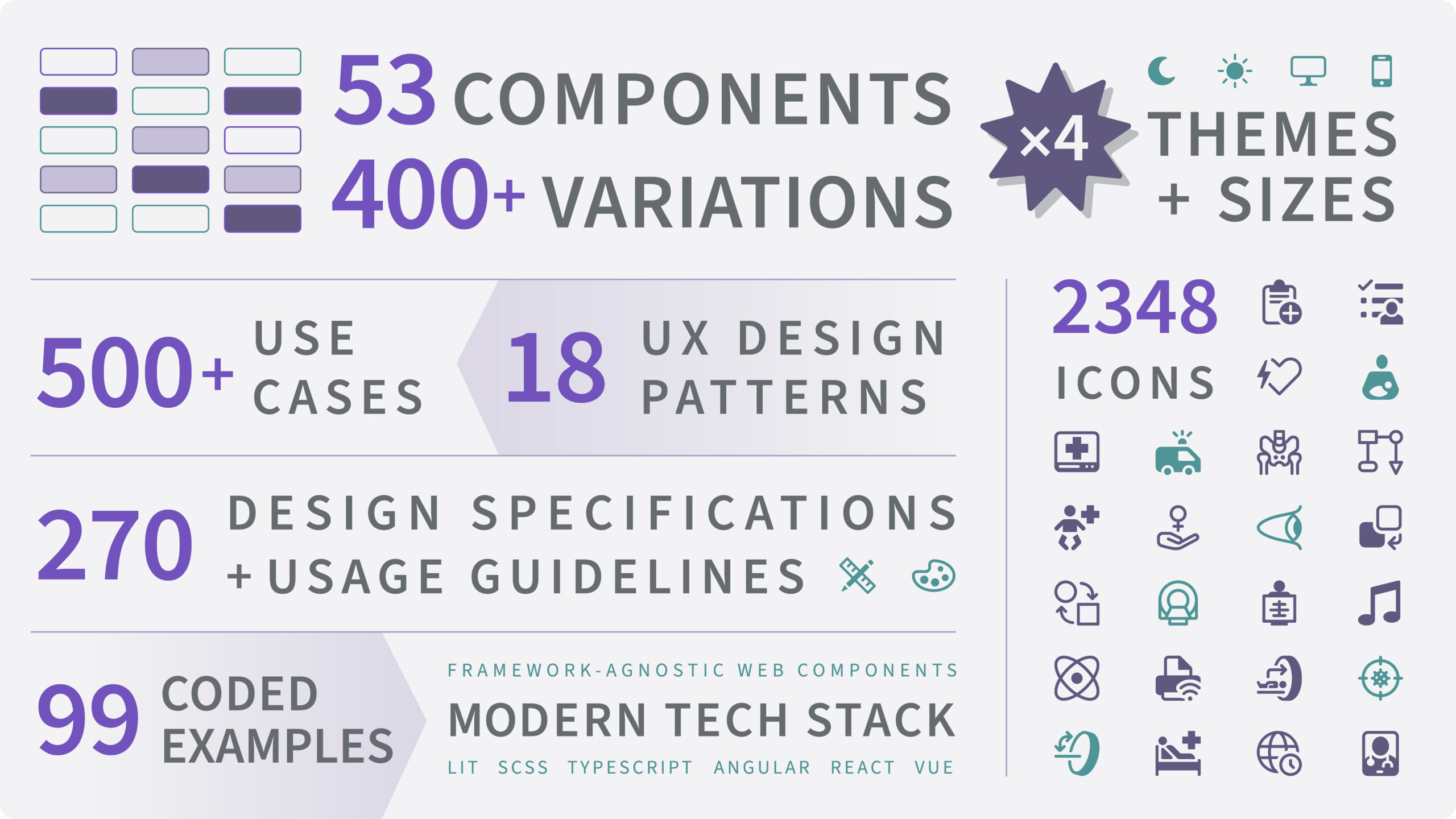
“The Ethos Design System team at GE HealthCare has done an excellent job harmonizing the user experience across our software, creating a cohesive feel for our customers. The elegant design toolkits, themes, and iconography enhance usability and reinforce brand consistency.” – Global Product Manager
Impact

Accessibility by default
Consuming teams create inclusive healthcare experiences without solving accessibility independently.

Consistency at scale
Reusable components and shared standards help teams deliver more consistent experiences faster.

Business value
Standardization and reuse accelerated delivery while generating millions in efficiency savings.